
Boost Your Sales with These Product Page Optimization Tips

On this page
How effective are your product pages at converting new customers? Chances are, most of your website traffic isn’t resulting in sales. And you’re not alone.
According to the latest research, the median conversion rate for ecommerce businesses was 4.2% in 2024. But, of course, that doesn’t mean you should be satisfied with over 95% of your web traffic not leading to sales. On the contrary, it just shows that you need to work harder to encourage your target audience to invest in your products.
So, how can you boost your sales? Well, there are numerous tactics you could try.
From investing in marketing to optimizing your site’s design, there are several effective approaches to CRO. However, if you want to get the biggest bang for your buck, focus on giving potential customers the type of shopping experience they crave.
Without further ado, here’s everything that shoppers want when buying online in 2025, along with tips on how you can use these insights to optimize product pages and boost sales. Let’s get into it.
Brand Trust Is Non-Negotiable
What’s the one prerequisite for consumers even considering investing in your products? It’s brand trust.
The latest research from Edelman shows that today’s consumers consider brand trust to be as important as price and product quality. And 88% of people will consider this factor when making buying decisions.
The good news is that there are numerous simple methods to optimize product pages to build brand trust.
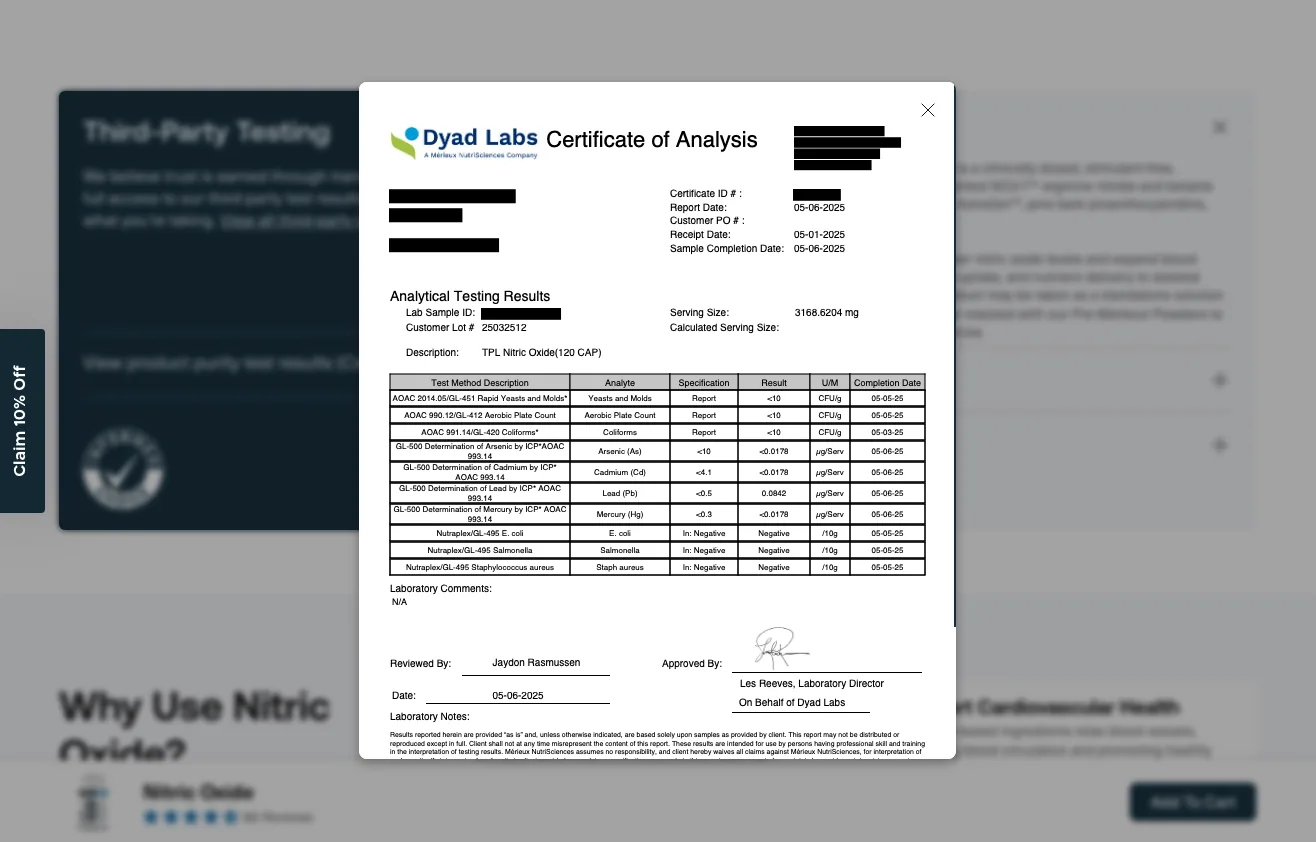
For instance, adding third-party certificates to your product pages (along with traditional social proof) goes a long way in showing that your products are effective and high-quality.
This is what Transparent Labs does on its Nitric Oxide product page. The brand allows shoppers to look at a lab analysis certificate to show that its solution genuinely provides the benefits it promises. Plus, it highlights its quest for transparency, which additionally positions Transparent Labs (and its products) as a reputable choice in an otherwise low-trust industry.
Source: transparentlabs.com
Provide a Convenient Shopping Experience
In a reality where online retail is becoming more ubiquitous, convenience is everything.
According to the latest research, 77% of shoppers crave easy shopping experiences. And they would even be willing to pay 5% for this type of CX. But what does convenience mean in 2025?
Well, there are four main factors people want. These include comfort, speed, accessibility, and availability.
So, if you’re looking for product page optimization tips to help boost sales, consider ways to make shopping with your brand as easy as pie.
For instance, this can be as simple as pointing out that you offer free shipping. But you could also explore more advanced methods to emphasize the convenience you offer.
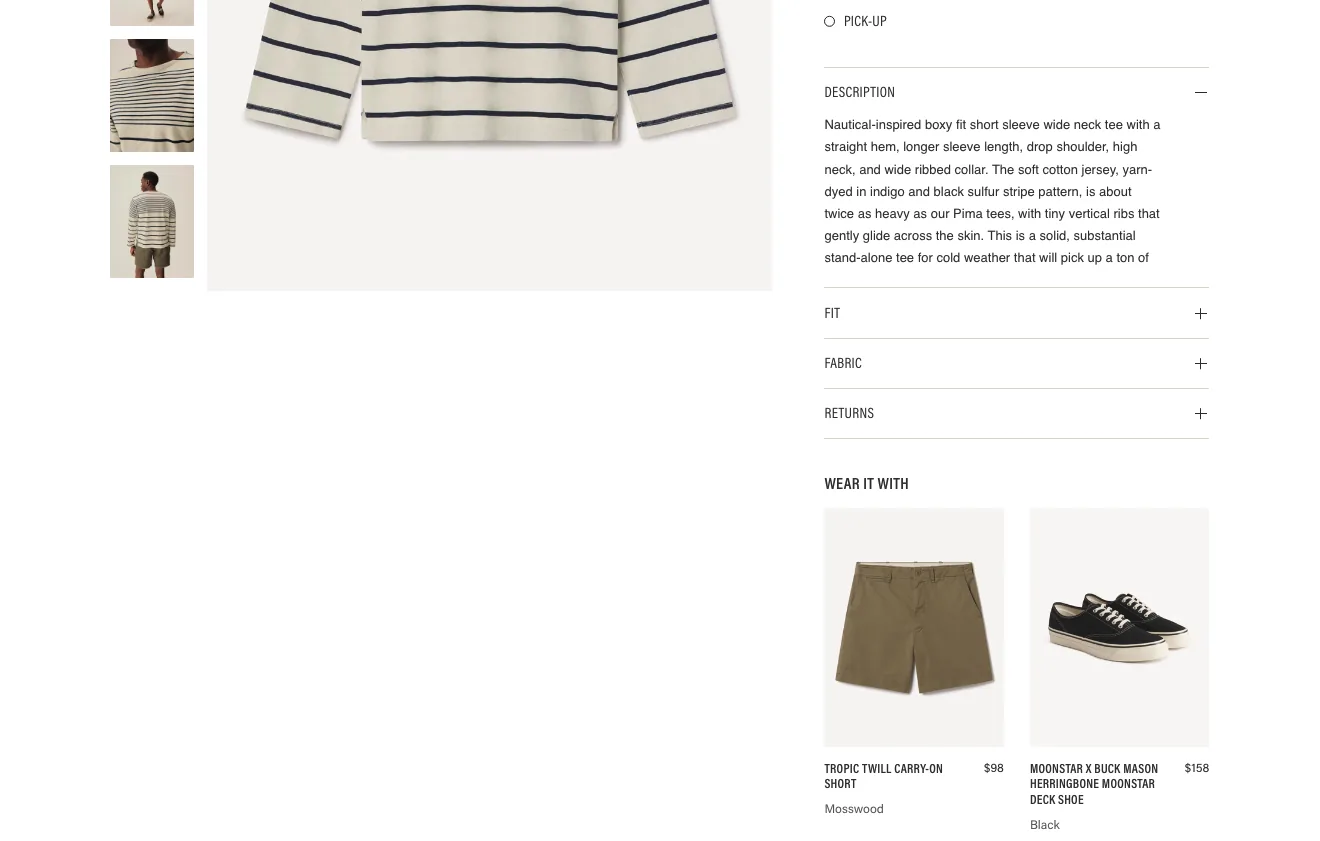
Check out how Buck Mason does it. This brand offers free shipping over $150, 365-day free returns, payment in installments, and the option for in-store pick-up. But it also makes it super easy for shoppers to create stylish looks with its products. You’ll see that each product page includes a “Wear it with” section, where a cross-selling feature allows shoppers to buy entire looks instead of having to bother with putting together fashionable outfits by themselves.
Source: buckmason.com
Emphasize Value, Not Price
Let’s face it. The global economy is not going in the right direction at the moment. So, it’s no surprise that consumers are cutting back on their spending.
According to research, 67% of shoppers are switching brands to get a lower price. And 79% are actively trading down by looking for deals for each purchase.
With this in mind, it’s a smart idea to explore pricing strategies that will encourage web visitors to consider the value you offer, not just the price of your products.
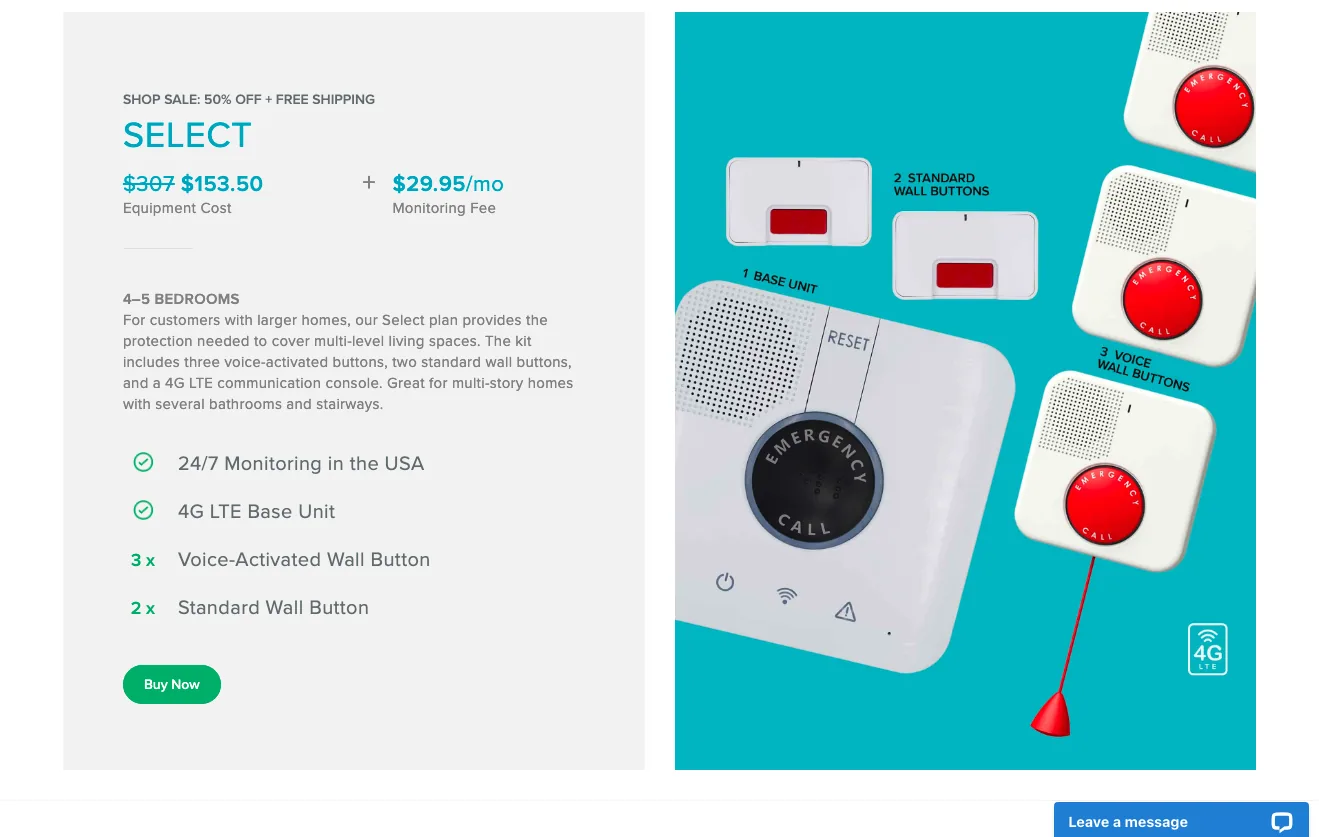
If you check out brands like GetSafe, a medical alert systems company, you’ll see that they successfully use price anchoring on their product pages. By showing a crossed-out original price of a product, this brand effectively assigns a value to its offer. Then, it points out that shoppers can get all that value at 50% off, plus free shipping.
Source: getsafe.com
Don’t Forget About Aspirational Shoppers
Price sensitivity is a prevalent trend affecting consumer behavior in 2025. But emphasizing value and savings is not the only way to boost sales in your ecommerce store.
In fact, depending on who your target audience is, it might be a good idea to go in a completely different direction.
According to research, a growing number of shoppers — particularly younger generations — are looking to splurge. And GWI discovered that 39% of all consumers now fall into the category of aspirational shoppers looking for luxury, quality, and exceptional value.
With this in mind, a tactic that could help convince more web visitors to turn into customers is to focus on the aspirational and luxury aspects of your offer.
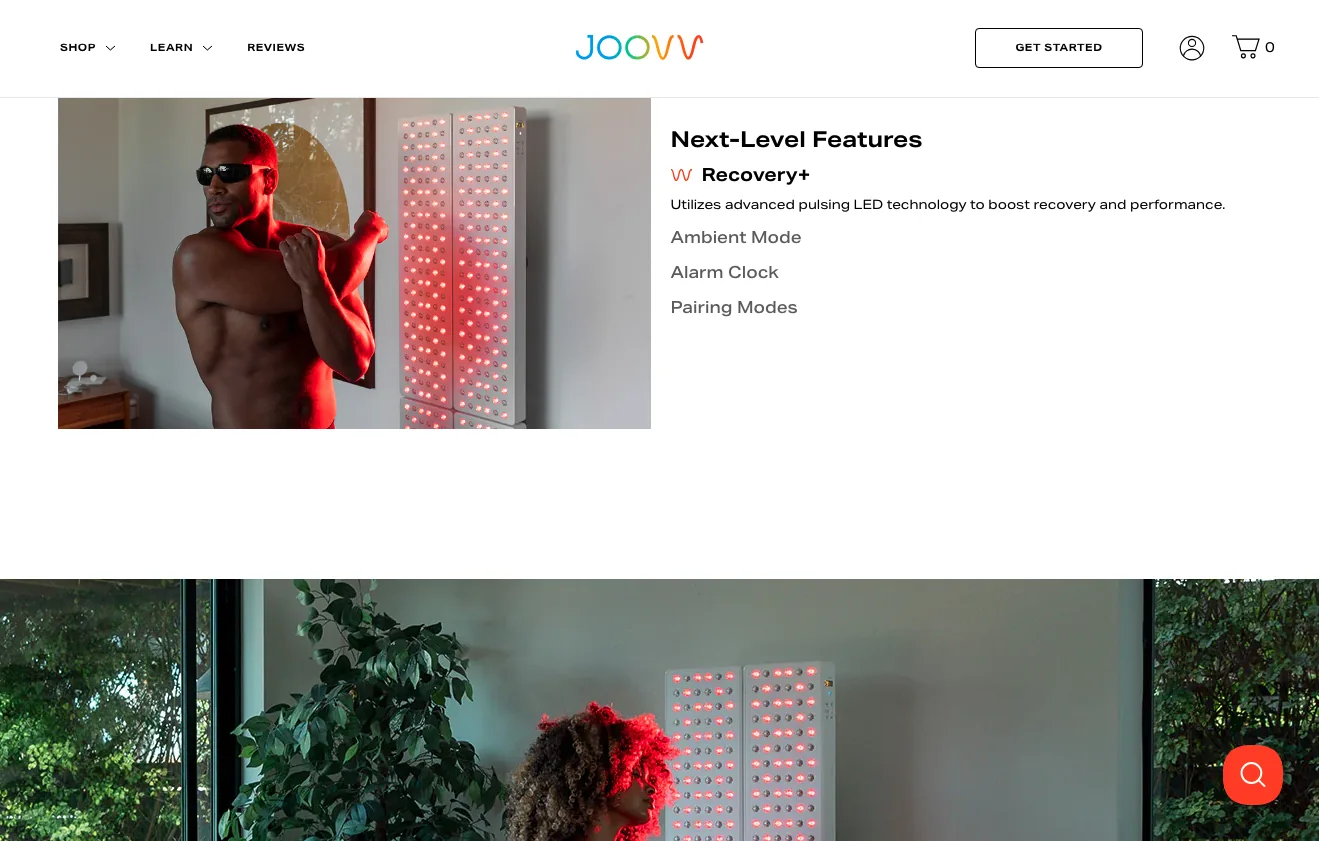
You can accomplish this effect by employing lifestyle-inspired photography on your product pages. This is precisely what brands like Joovv do.
Source: joovv.com
Alternatively, you could reach similar results by optimizing your product descriptions to highlight performance, quality, or uniqueness. That’s precisely what ON does in the example below.
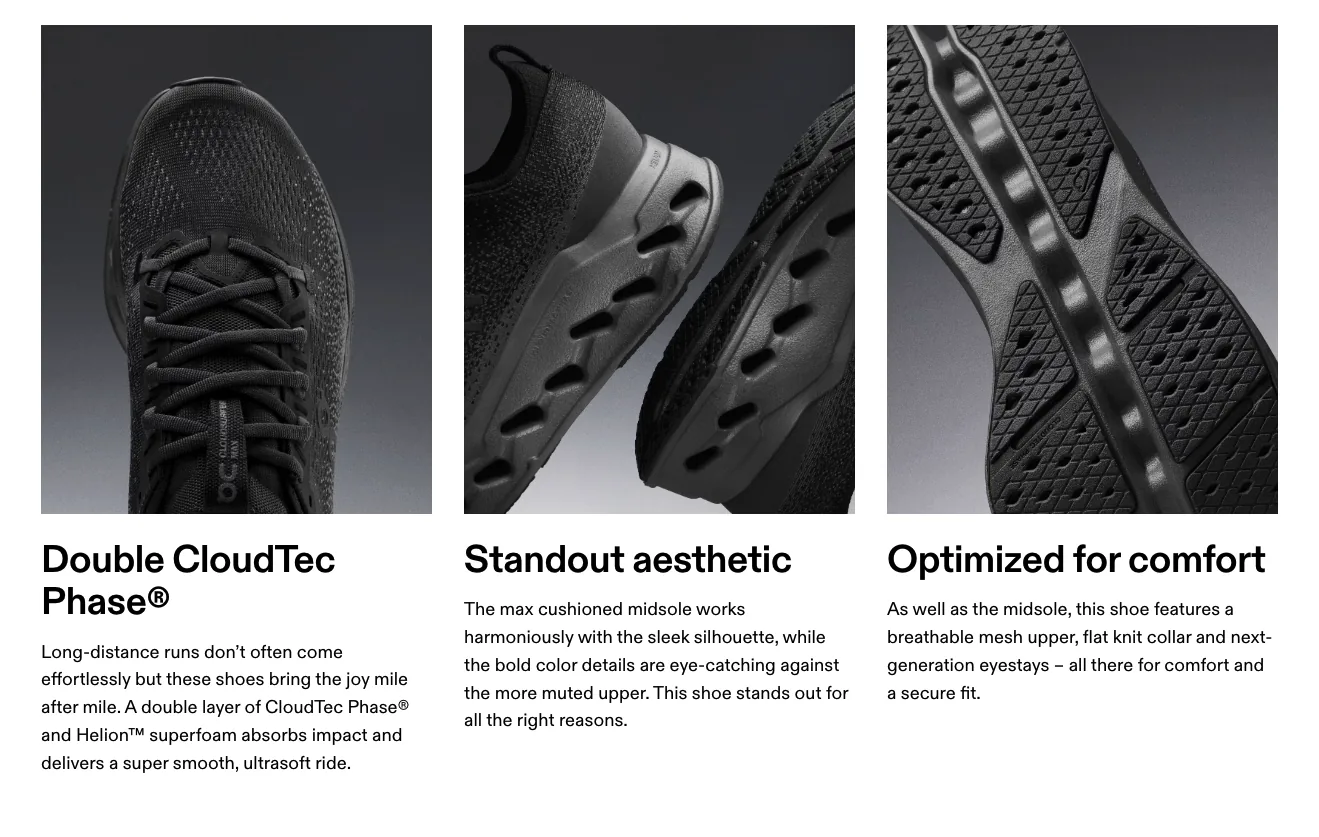
Source: on.com
Sustainability Remains a Top Priority
You might expect sustainability to take a backseat during a time when people are cutting back on spending. Still, research shows that making sustainable buying decisions remains a top priority in 2025.
According to survey data, 58% of shoppers are willing to spend more for eco-friendly products. And 43% expect brands to prioritize sustainability.
So, how can you use this info to optimize product pages for higher conversions?
Well, it’s simple. All you have to do is incorporate web page elements that communicate relevant ESG claims.
For instance, Tala does it by adding an “Aware” card to its product description. This section informs shoppers about the materials used to make each garment. Additionally, it addresses the conditions in which the brand makes its products, emphasizing worker health and safety.
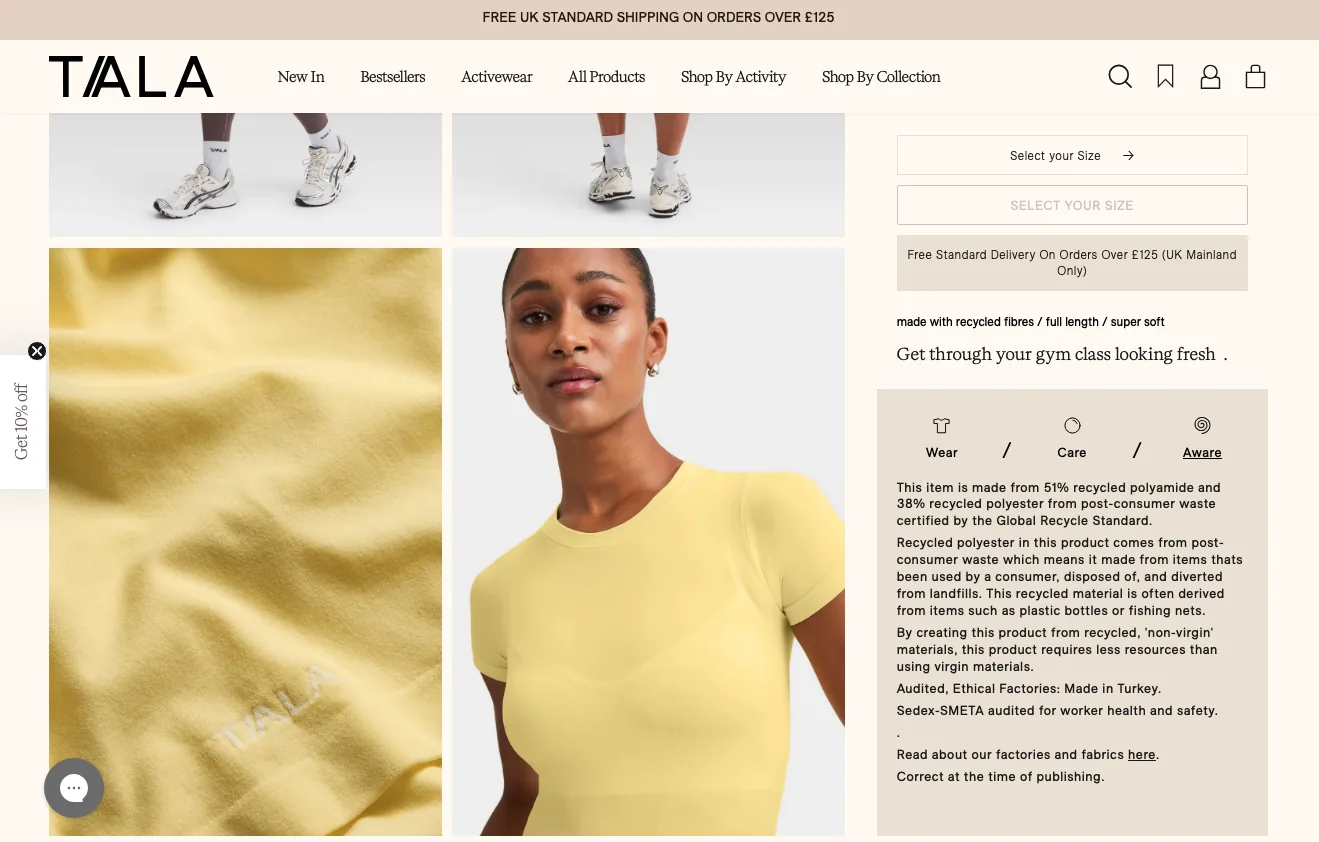
Source: weartala.com
Make Payments More Convenient
We’ve covered addressing price sensitivity as a way to boost sales in your ecommerce store. But what about payment methods?
Research shows that one of the leading causes of cart abandonments includes worrying about payment security. In fact, 19% of people won’t go through with a purchase because they don’t trust a site with their credit card info.
The good news is that you can easily remove this conversion obstacle from your product pages by making paying for your products more convenient and less risky.
For starters, prioritize allowing your customers to pay through trusted services like PayPal, Apple Pay, or Google Pay.
Additionally, consider adding a buy-now-pay-later option to your checkout process.
According to Morgan Stanley, 6% of all ecommerce sales now happen through BNPL loans. So, adding this possibility to your product pages could be an easy way to boost conversions.
Check out how Béis does it. This brand highlights this possibility right below its main CTA, making it super-attractive for shoppers to complete their purchases right away instead of prolonging the sales cycle and potentially giving up on their intention to buy.
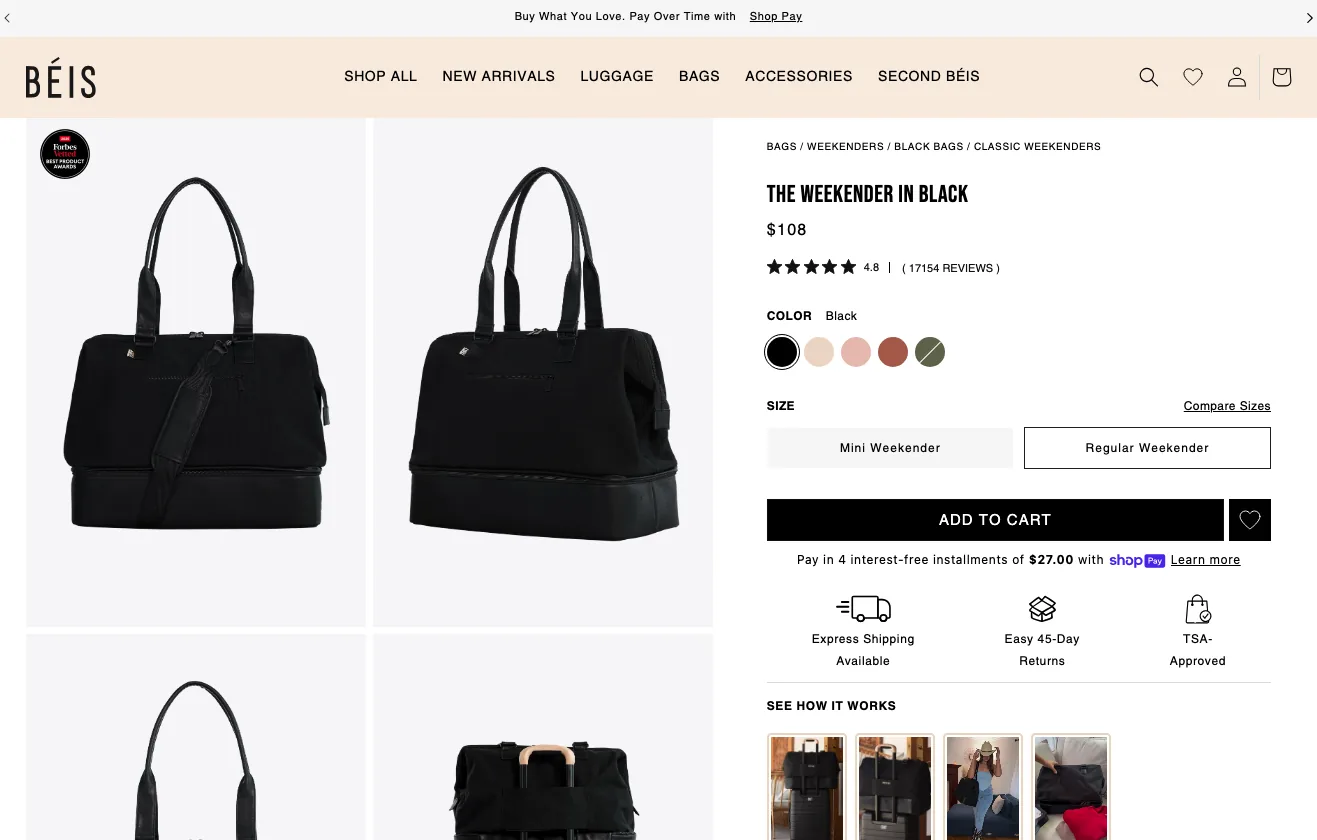
Source: beistravel.com
Make It Easy for Customers to Take Care of Themselves
As you explore tactics to optimize product pages for higher conversions, remember that today’s consumers want brands to help them build healthier lifestyles.
In fact, many people look to brands to help optimize their health and wellness.
So, if you want buying from your business to be a no-brainer, why not position your solutions as a smart way for your target audience to do something good for themselves?
For instance, offering subscription options can be a simple way to convert new clients and immediately secure a higher customer lifetime value. A good example to check out of a company doing this well comes from Brain Ritual, a migraine medical food brand.
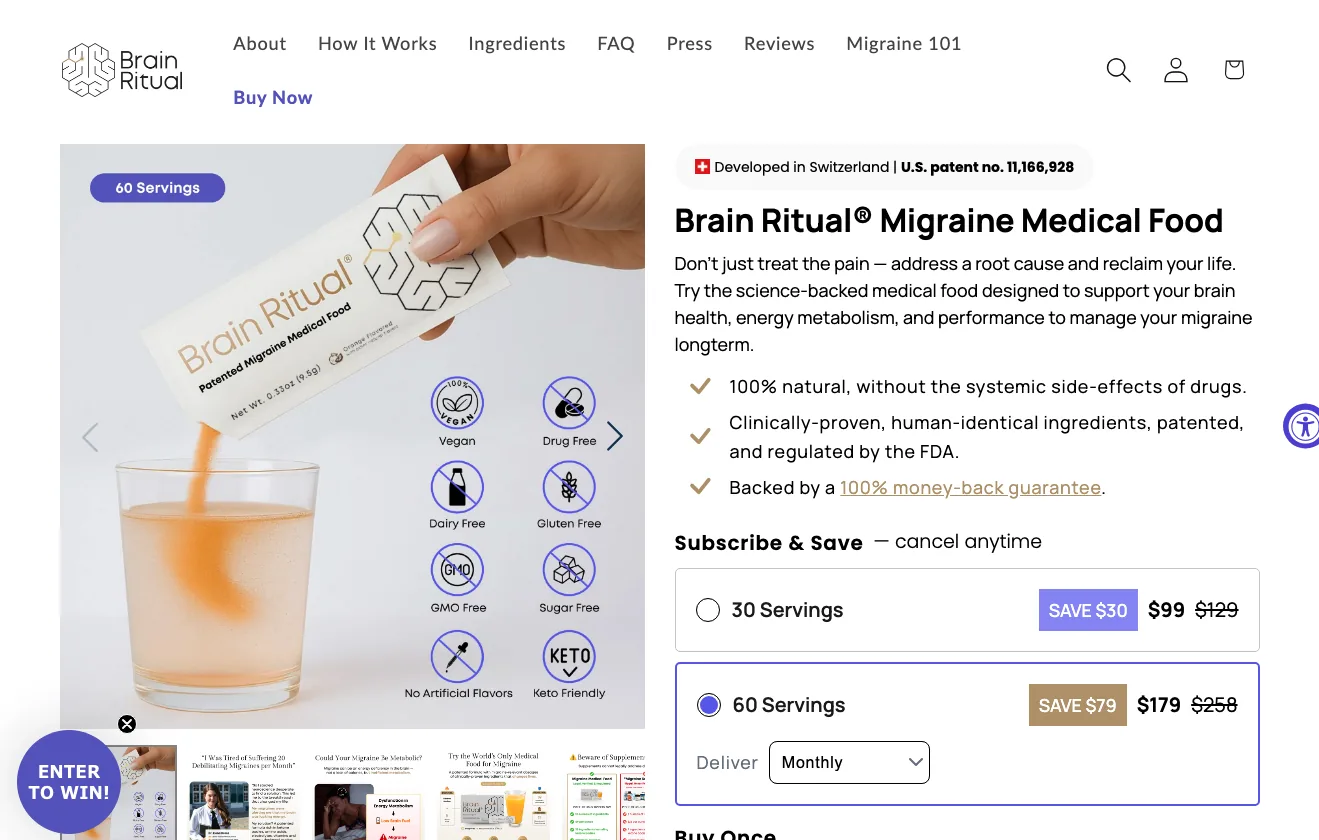
Source: brainritual.com
Or you could go even further. By combining people’s desire to better themselves with their craving for personalized brand experiences, you could effectively deliver a superior CX that will turn your brand into the go-to in your industry.
Curology, for instance, doesn’t invite web visitors to shop its products. Instead, it offers a skin consultation that lets them try out products for free. Plus, the process is carried out by a certified medical professional — a service that would be much more expensive to get in-office.
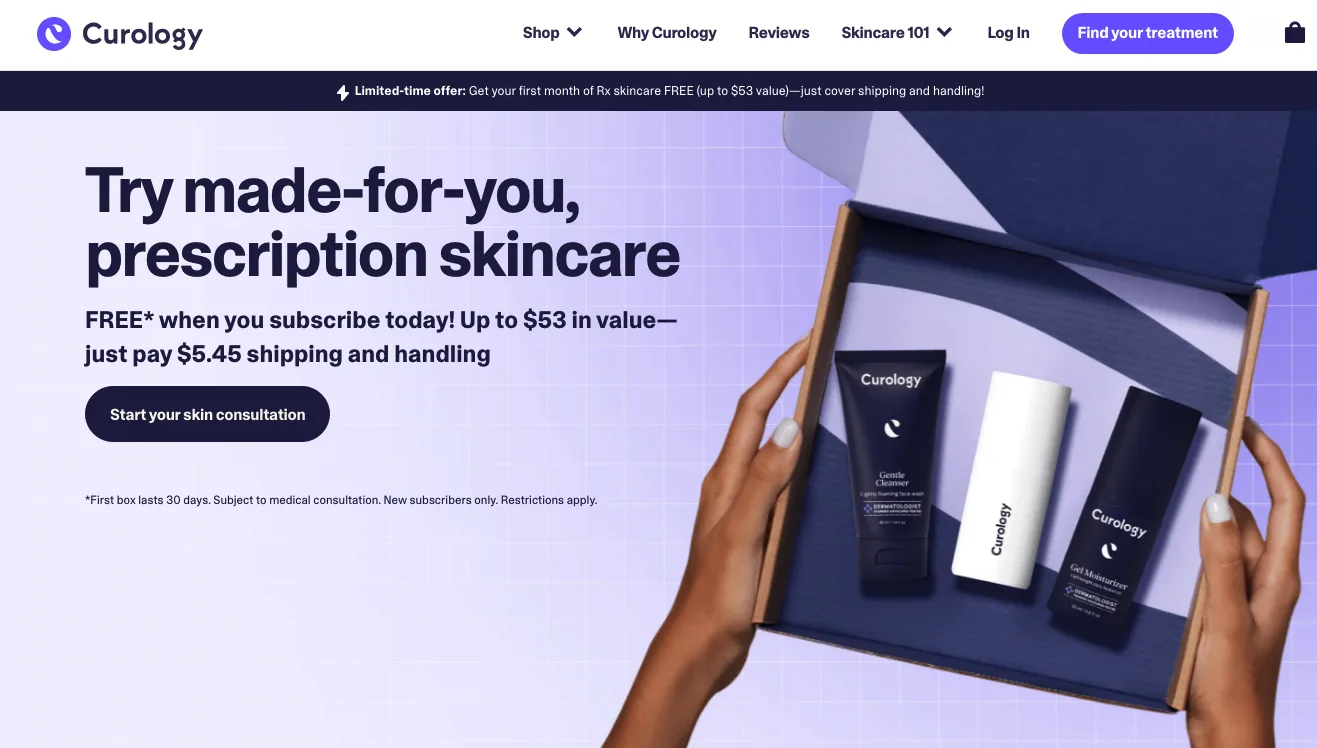
Source: curology.com
Be Objective and Authentic — Not a Profit-First Organization
One trend that’s been prevalent throughout 2025 is that shopping is no longer something people just do.
Yes, impulse purchase decisions still are common. However, many consumers are trying to approach their buying journeys with intention and self-awareness.
So, if you’re trying to optimize your product pages to drive conversions, consider ways to help your prospects make smarter buying decisions instead of trying to get them to buy at any cost.
One way to accomplish this will, of course, be to prioritize educating and helping your target audience. Presenting them with objective educational resources on your product pages or showcasing authentic user-generated content are just a couple of ways to do this.
Of course, you could go even further in your quest for authenticity by outright addressing the buyer persona who won’t benefit from your products. Or, you could emphasize ways not to use your products, which is what The Ordinary does when pointing out what ingredients its GF Solution clashes with.
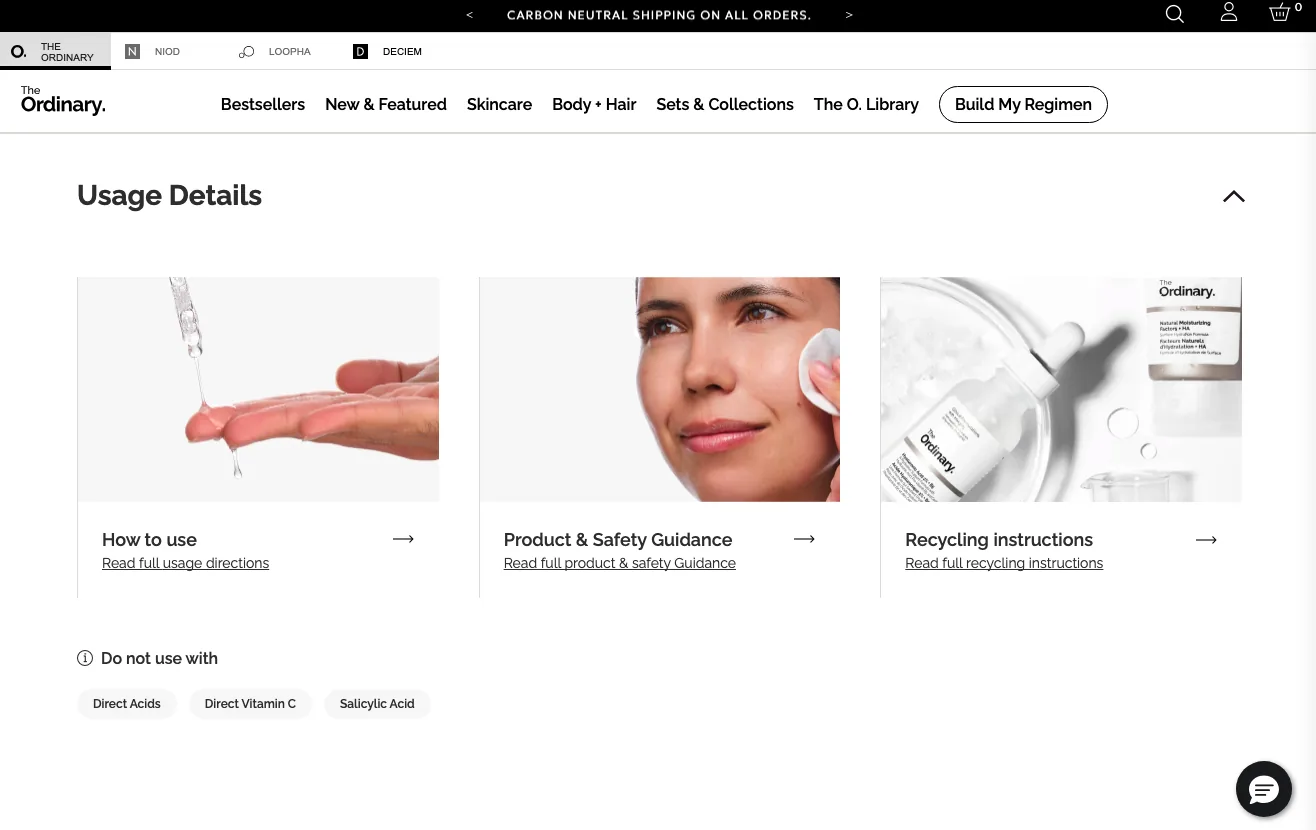
Source: theordinary.com
Final Thoughts
Product page optimization is always an excellent idea. And you can rest assured that the tips covered in this guide can and will help you boost sales.
Of course, to ensure optimal results, it’s essential to implement these upgrades one by one. Moreover, test how each change impacts your conversion rates. And continue to monitor performance to catch any negative trends early on (before they’ve impacted your cash flow).
That way, you won’t just ensure that your hard work yields the results you’re after. You might also unveil additional info about your target audience’s shopping behavior. Then, you can use this knowledge to inform your marketing strategies and customer loyalty initiatives, and pave the way for business success and longevity.
Frequently Asked Questions
What are the best product page optimization tips to boost sales?
The most effective product page tips focus on giving shoppers the experience they want: build brand trust, make the shopping and payment process convenient, emphasize value over price, and add social proof. Layer in sustainability messaging, authentic content, and clear shipping or return details to remove conversion obstacles. Implement changes one at a time and test how each affects your conversion rate.
How can I build brand trust on a product page?
Build trust by adding social proof, third-party certificates, and transparency about how your products are made or tested. Shoppers now weigh brand trust alongside price and quality, so signals like lab certificates, verified reviews, and clear sourcing information reassure buyers before they purchase.
Should I emphasize price or value on my product pages?
Emphasize value, not just price, because many shoppers are trading down and comparing deals. Use tactics like price anchoring (showing a crossed-out original price next to the current one) so visitors see the value they get, while still appealing to aspirational shoppers with lifestyle photography and quality-focused descriptions.
Do payment options affect ecommerce conversion rates?
Yes, payment convenience and security directly affect conversions, since worries about payment security cause many shoppers to abandon their carts. Offering trusted methods like PayPal, Apple Pay, or Google Pay, plus a buy-now-pay-later option, removes friction and makes it easier for shoppers to complete a purchase.
Does sustainability messaging help sell products online?
Sustainability messaging can help, because many shoppers are willing to pay more for eco-friendly products and expect brands to prioritize it. Communicate relevant claims directly on the product page, such as materials used and working conditions, to connect with environmentally conscious buyers and support your conversion goals.